AI Animation: Bringing Characters and Worlds to Life
How modern AI tools are reshaping the animation pipeline from text-to-video to professional 3D workflows.
AI animation has evolved from a novelty into a sophisticated production layer that automates repetitive tasks and accelerates creative iteration. This guide explores the current landscape of tools, the shift toward character consistency, and how professionals are integrating AI into their existing pipelines.
The New Era of Automated Motion
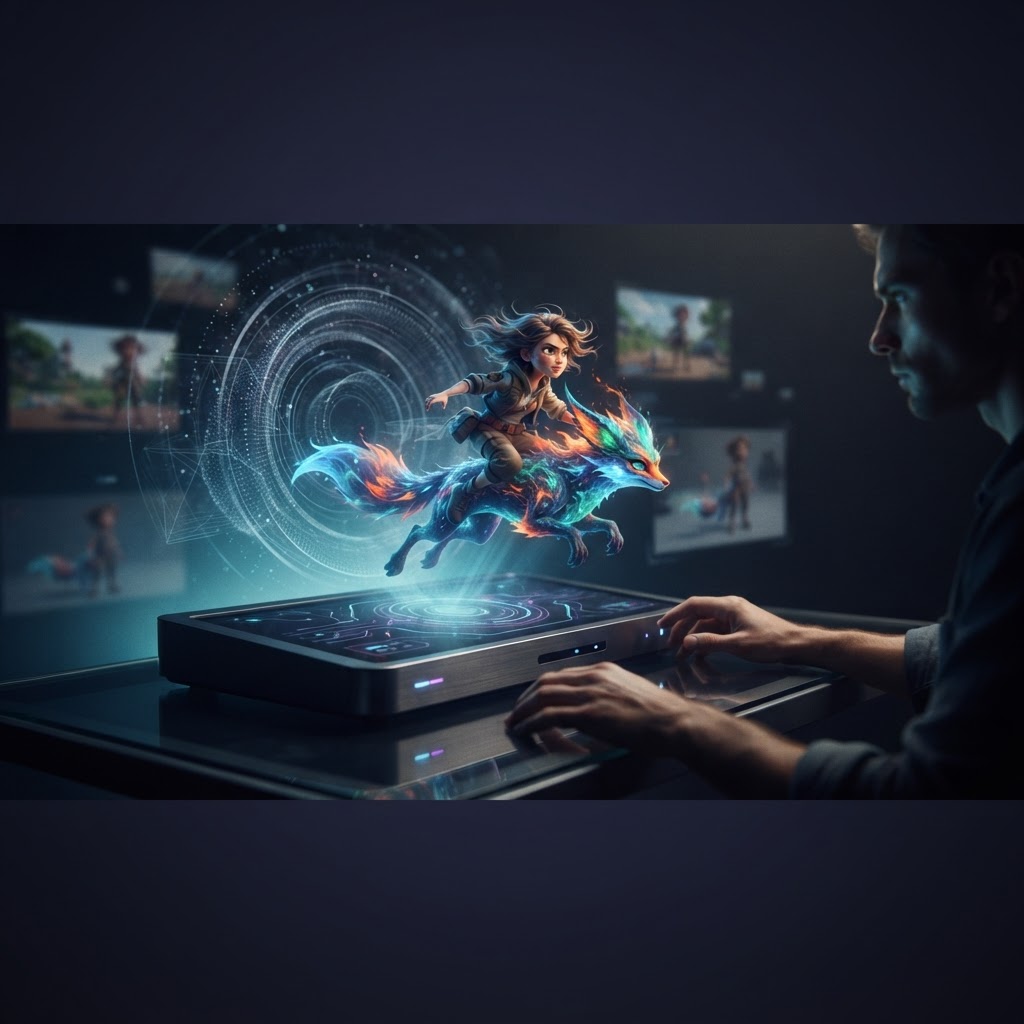
The animation industry is currently undergoing a fundamental shift. What once required weeks of manual keyframing and frame-by-frame adjustments can now be roughed out in minutes. AI animation tools have moved beyond simple filters, now offering robust solutions for character animation, motion capture, and scene generation. This evolution is not about replacing the animator, but rather augmenting their capability to focus on high-level storytelling and creative direction.
Modern platforms like Runway Gen-4.5 have set a new benchmark for temporal consistency, allowing creators to maintain character identity and environmental stability across multiple shots. This capability is critical for narrative work, where the audience must remain grounded in the world the creator has built. By automating the heavy lifting of physics and motion, these tools allow studios to iterate on ideas at a speed previously thought impossible.
However, the transition requires a strategic approach. Rather than attempting to overhaul an entire production pipeline overnight, successful teams are identifying their most repetitive tasks—such as lip-syncing, background generation, or basic motion blocking—and integrating AI specifically to address those bottlenecks. This measured adoption ensures that the final output retains the human touch necessary for professional-grade storytelling.
Mastering Character Consistency
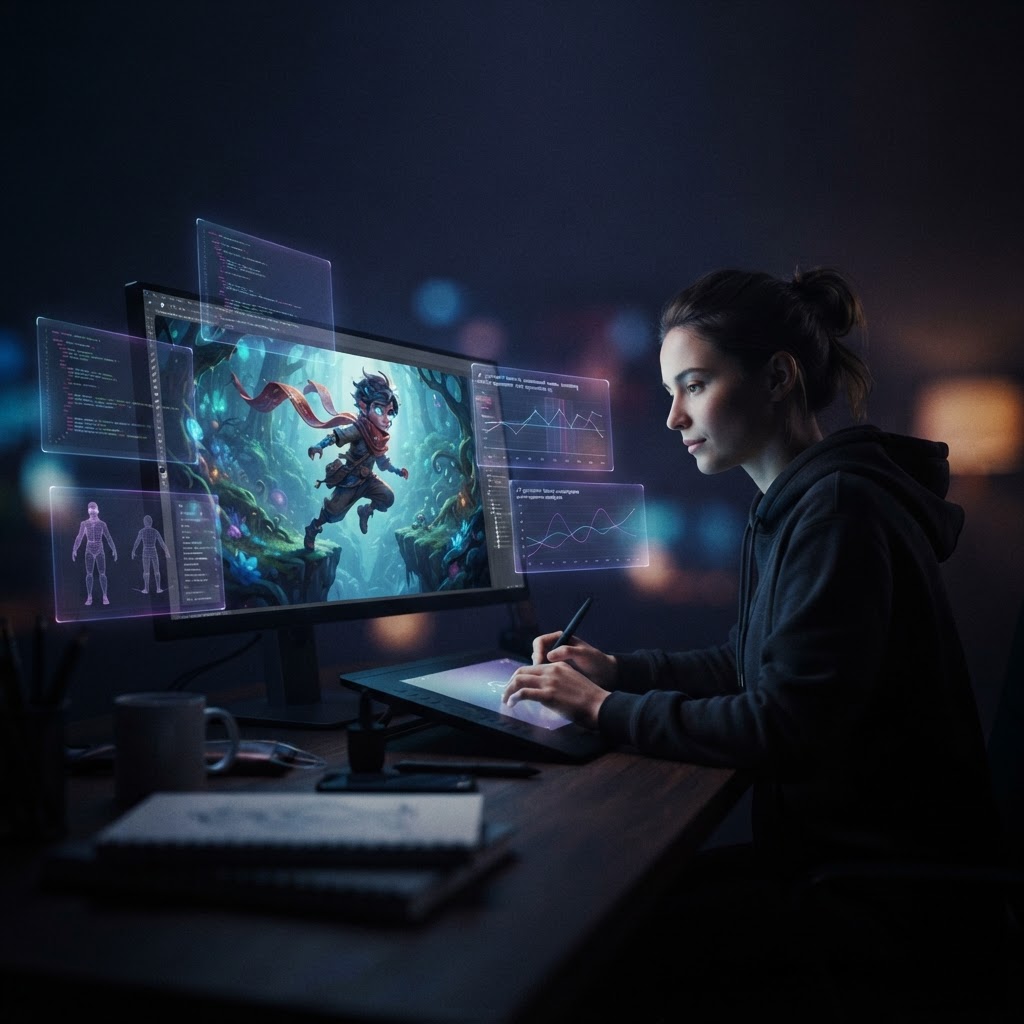
One of the most significant hurdles in AI animation has been character consistency. In the past, a character might change their appearance or clothing between two consecutive shots, breaking the viewer's immersion. Today, advanced models are solving this through sophisticated latent space management and reference-based generation.
Tools like Runway and emerging specialized platforms allow users to upload character sheets or static images, which the AI then uses as a persistent reference. This ensures that the character's face, attire, and proportions remain stable even as the camera moves or the scene changes. For creators, this means the ability to produce longer, more complex narratives without the jarring visual inconsistencies that plagued early AI video models.
To achieve the best results, creative directors must act as curators. This involves analyzing individual frames for artifacts, refining prompts in tools like ChatGPT to better describe motion, and manually correcting inconsistencies. The goal is to treat AI output as a high-quality first draft that can be polished using traditional software like Adobe After Effects or Blender, ensuring the final product meets professional standards.
Bridging Text-to-Video and Traditional Animation
The gap between text-to-video generation and traditional animation is closing rapidly. While text-to-video tools are excellent for rapid prototyping and social media content, professional studios are increasingly using AI to generate assets that are then imported into standard 3D software like Maya or Unreal Engine.
Autodesk’s integration of AI features into its ecosystem, such as the ML Deformer in Maya, exemplifies this trend. By using AI to automate complex character rigging and skinning, artists can spend more time on performance and less on technical setup. Similarly, Wonder Dynamics allows creators to convert live-action footage into 3D scenes with editable characters, providing a seamless bridge between real-world performance and digital animation.
This hybrid approach is the current gold standard for professional workflows. By leveraging AI for the heavy lifting—such as motion capture from video or environment generation—and using traditional tools for final rendering and compositing, studios can maintain complete creative control while significantly reducing production timelines.
Physics-Based Animation and Realism
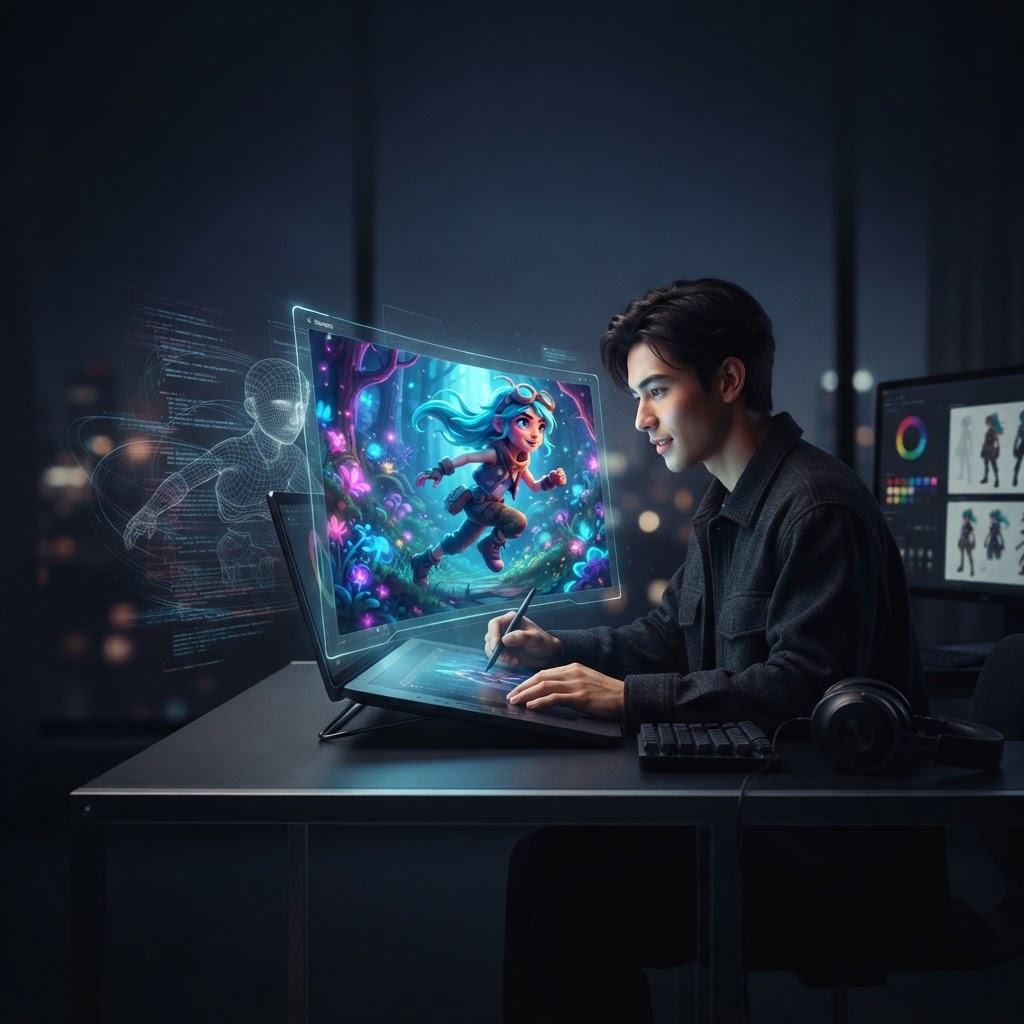
Realistic motion is the hallmark of high-quality animation, and AI is now capable of simulating complex physical interactions. Tools like Cascadeur have pioneered physics-based animation, allowing users to create realistic character movements that adhere to the laws of gravity and momentum without needing to manually keyframe every joint.
These systems use advanced algorithms to ensure that characters move with weight and intent. For game developers and filmmakers, this means that characters can interact with their environments in a way that feels natural and responsive. The ability to generate motion that respects physical constraints is a major step forward from the 'floaty' or 'jittery' movement often associated with early AI animation.
Looking ahead, we are seeing the emergence of environment-adaptive animations. These systems allow characters to naturally avoid real-world furniture or obstacles, a feature currently being prototyped for next-gen mixed reality experiences. As these tools become more integrated with game engines like Unity and Unreal, the line between pre-rendered animation and real-time interactive content will continue to blur.
The Economics of AI Production
The cost of AI animation is a critical consideration for any production team. Most high-end platforms operate on a credit-based system, where the cost is determined by resolution, duration, and model complexity. For instance, a 10-second 4K clip can consume a significant number of credits, making it essential for teams to budget carefully.
While free tiers exist for many tools, they often come with limitations such as watermarks, resolution caps, or restricted commercial usage. For professional projects, paid tiers are almost always necessary to access higher resolutions and, more importantly, to secure the rights to the generated content. It is vital for creators to review licensing terms thoroughly before using AI-generated assets in client-facing work.
Despite the costs, the return on investment is often found in the reduction of labor hours. By automating the most time-consuming parts of the animation process, studios can produce more content with the same team size, or take on projects that were previously too expensive to consider. The key is to treat AI as a tool for efficiency rather than a replacement for the creative process.
Future Trends: Self-Improving Animations
The next frontier in AI animation is the concept of 'self-improving' systems. Researchers are currently testing AI that analyzes viewer engagement metrics to automatically refine motion quality and timing. By making micro-adjustments to animation curves based on how audiences respond, these systems aim to maximize viewer retention.
This data-driven approach to animation is expected to become standard by late 2027. It represents a shift from purely artistic creation to a synthesis of art and analytics. While this may sound clinical, it offers a powerful way for creators to understand what resonates with their audience and to iterate on their work with unprecedented precision.
Furthermore, the integration of AI with VR and AR is set to transform how we experience animated content. As AI becomes better at generating environment-adaptive motion, we will see more immersive experiences where animated characters exist within our physical spaces. This convergence of AI, XR, and streaming platforms is creating a dynamic environment with immense potential for innovation.
Strategic Implementation for Studios
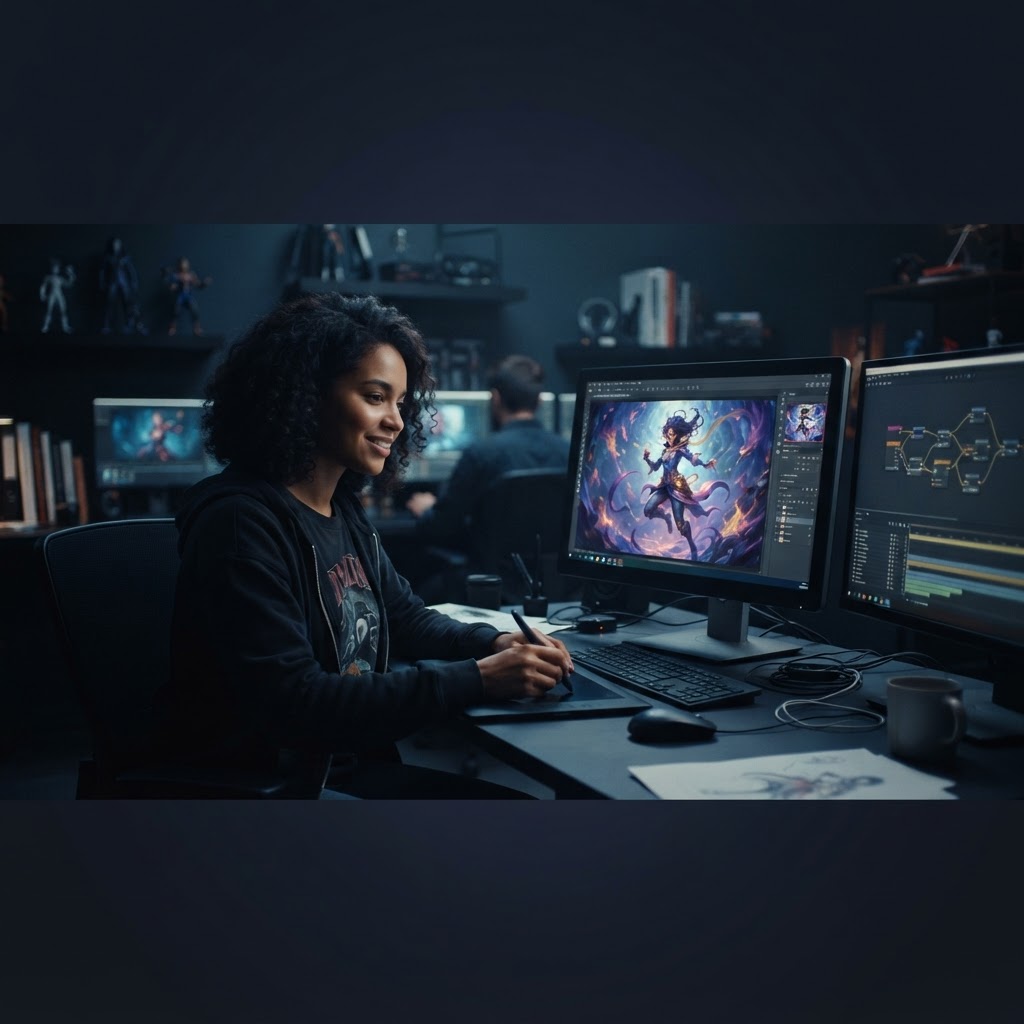
Bringing AI into an existing animation pipeline requires a structured approach to avoid disruption. The most successful studios start by identifying their slowest, most repetitive tasks and testing one tool at a time. This allows the team to build expertise in prompt engineering and workflow integration without overwhelming their current processes.
It is also crucial to maintain a 'human-in-the-loop' philosophy. AI should be treated as a collaborator that provides a strong first draft, not as a final output generator. By keeping traditional software for the final polish, studios can ensure that their work retains the unique style and emotional depth that audiences expect.
Finally, training is essential. Even the most intuitive tools have a learning curve, particularly when it comes to achieving consistent results. By investing in team education and fostering a culture of experimentation, studios can stay ahead of the curve and leverage these powerful new tools to bring their characters and worlds to life in ways that were previously impossible.