How Can I Turn My Child's Favorite Bedtime Stories Into a Comic Book?
Move beyond static reading by using AI to turn your child's imagination into a personalized, illustrated physical adventure.
You can transform bedtime stories into physical comic books by using AI platforms like Kiddo AI or ThatCoolBook. Simply upload a photo of your child, input their favorite plot points, and select a 'comic book' art style. These tools generate consistent character illustrations, which you can then print and bind.
Learn how to use AI tools to convert your child's favorite stories into personalized comic books. This guide covers character consistency, style selection, and printing for a professional-quality keepsake.
Why Move From Static Books to Personalized Comics
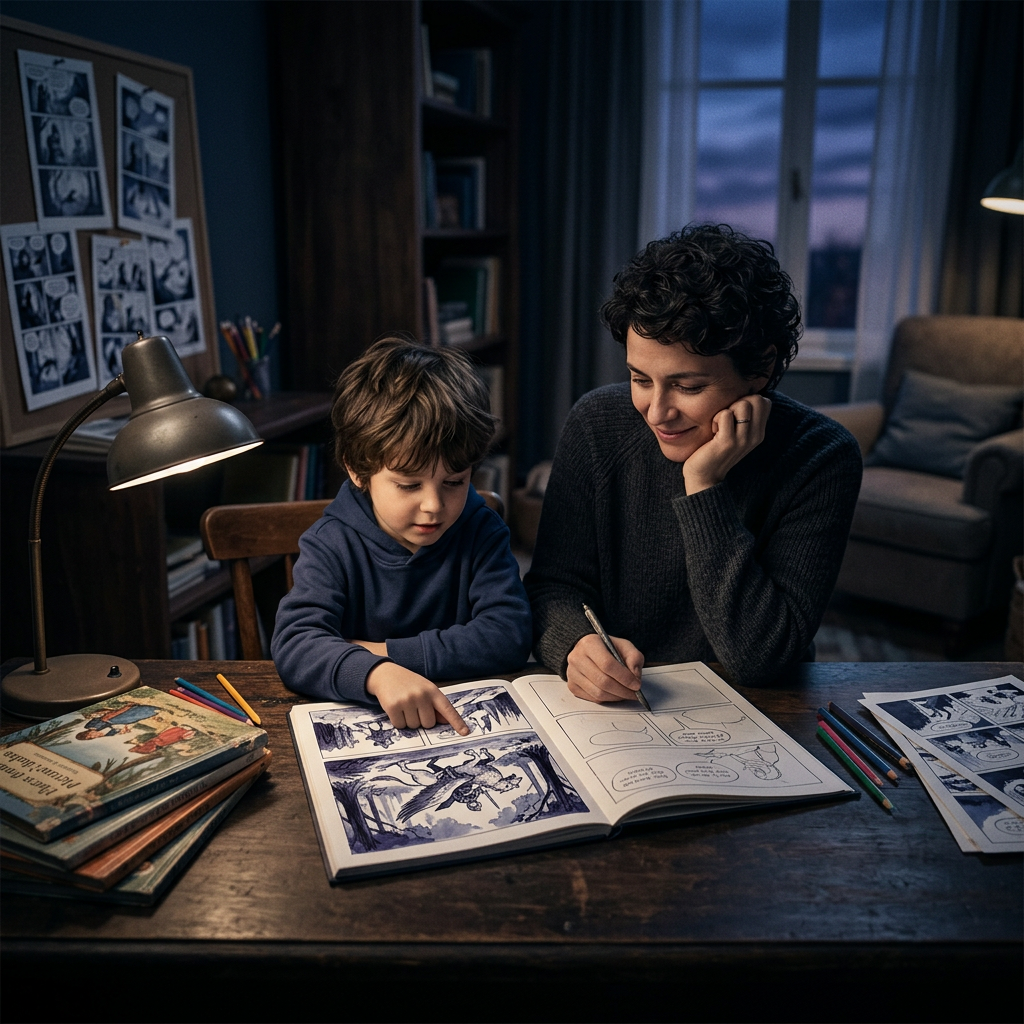
Transitioning from traditional bedtime reading to a personalized comic book format changes the way children engage with stories. When a child sees themselves as the protagonist in a visual medium, it boosts their emotional connection to the narrative and encourages active reading rather than passive listening. By using AI, you are no longer limited to mass-market characters; you are creating a bespoke artifact that reflects your child's specific interests, pets, and personality traits.
Modern AI tools have solved the biggest hurdle in this process: character consistency. In the past, generating a character that looked the same across ten different pages was nearly impossible for non-artists. Today, platforms like Kiddo AI and ThatCoolBook allow you to upload a reference photo, ensuring your child looks like themselves in every panel. This consistency is what separates a professional-looking comic book from a collection of random, mismatched images.
Beyond the novelty, these projects serve as lasting family memories. Whether you are documenting a real-life trip or a fantastical dream, turning these moments into a physical book creates a tangible keepsake. It transforms a fleeting bedtime routine into a library of adventures that your child can revisit for years to come.
How to Build Your First Comic Adventure
Creating your first comic book starts with a clear, simple prompt that defines the hero and the setting. You do not need to be a writer or an artist; you simply need to provide the AI with the 'who, where, and what' of the story. Start by choosing a platform that offers a dedicated comic book template, as this will automatically handle the complex panel layouts and speech bubble placement that would otherwise take hours to design manually.
Once you have selected your tool, upload your child's photo to establish the character profile. Most platforms will ask for a brief description of the plot—keep this to a few sentences. For example, 'My child, Leo, is a space explorer who finds a lost robot on Mars.' The AI will then generate a series of illustrated panels. If the AI misses a detail, use the 'Quick Edit' feature found in most 2026-era tools to swap an animal or change a background without needing to regenerate the entire book.
After the story is generated, review the flow of the panels. Ensure the dialogue is short and punchy, as is standard for the comic book format. If you are using a tool like Morphic or LlamaGen, you can often toggle between different art styles—such as 'classic comic' or 'vibrant manga'—to see which best fits your child's age and taste before finalizing the digital file.
From Digital File to Physical Keepsake
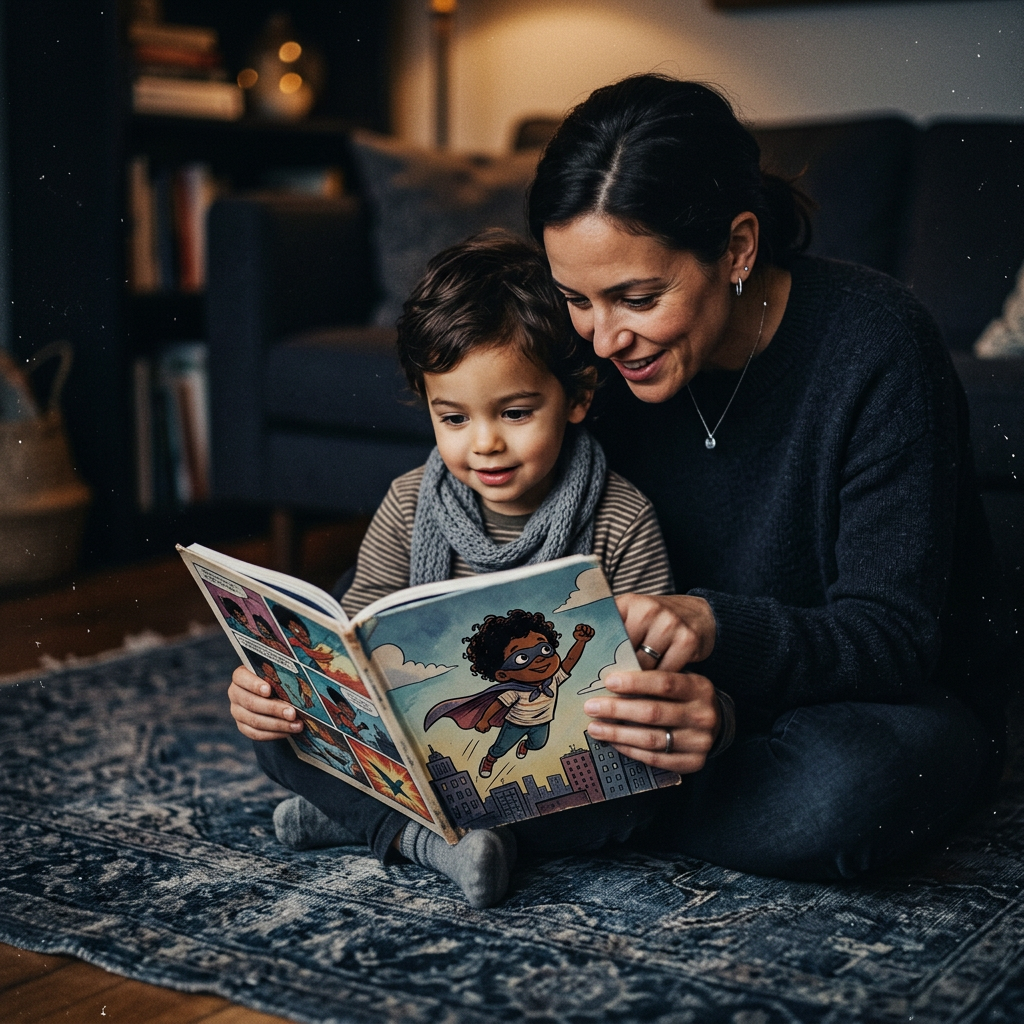
The final step in this process is moving your creation from the screen to the page. While digital read-throughs are fun, a physical book is what makes the experience feel 'real' to a child. Once you have exported your comic as a high-resolution PDF, you have several options for printing. You can use the integrated print-on-demand services offered by platforms like ThatCoolBook, which handle the binding and paper quality for you, or you can use a local print shop for a faster turnaround.
When printing, pay attention to the paper weight and binding type. A 'saddle-stitch' binding is perfect for shorter comic books, while a 'perfect bound' (glued spine) option is better for longer, more substantial stories. If you are printing at home, use a heavier cardstock for the cover to ensure it stands up to repeated reading. This physical durability is essential for a book that will likely be dragged to bed every single night.
Remember that this is an iterative process. If your child loves the first book, you can easily create a sequel by using the same character profile. By building a series, you create a sense of continuity that keeps children excited for the next installment. This is the true power of AI in the home: it allows you to scale your creativity to match your child's endless appetite for new stories.

Comic Book Creation Checklist
- Upload a clear reference photo of your child for character consistency
- Select a 'Comic Book' or 'Graphic Novel' visual style in your tool
- Define 3-5 key plot points to keep the narrative focused
- Review panel layouts to ensure text bubbles are readable
- Export as a high-resolution PDF for professional printing