
How Do I Automate Multi-File Refactoring Without Breaking My Architecture?
Moving beyond single-script helpers to autonomous architectural refactoring.
To refactor large-scale repositories safely, move beyond simple IDE autocomplete to agentic tools like Claude Code, Cursor, or Devin. These agents utilize multi-file context windows and dependency mapping to execute structural changes. Always prioritize tools that offer autonomous planning, syntax validation, and terminal-based execution to ensure architectural integrity.
This guide evaluates the 2026 landscape of AI coding agents capable of multi-file refactoring, helping engineering leaders select tools that maintain structural integrity across large-scale codebases.
The Shift from Autocomplete to Architectural Agents
Modern AI coding agents have evolved from simple text-completion engines into autonomous systems capable of managing complex, multi-file refactoring tasks. Unlike legacy tools that operate on single files, these agents leverage deep repository awareness to understand how architectural changes ripple across a codebase, preventing the common pitfalls of broken dependencies and inconsistent patterns.
Tools like Claude Code and Cursor have redefined the standard by integrating directly into the developer's terminal or IDE. They utilize ReAct (Reason + Act) loops to plan, execute, and verify changes, effectively acting as a senior engineer who can navigate thousands of files simultaneously. This shift is critical for enterprise teams managing legacy systems where manual refactoring is prone to human error and significant time loss.
By utilizing RAG (Retrieval-Augmented Generation) and advanced dependency mapping, these agents can identify where a specific function is called, how it is imported, and whether a proposed change violates existing design patterns. This capability transforms refactoring from a high-risk, manual chore into a systematic, automated process that maintains structural integrity.
Top-Tier Tools for Large-Scale Refactoring
Selecting the right tool depends on your team's workflow and the scale of your repository. For terminal-first developers, Claude Code is currently the industry leader for multi-file reasoning, offering deep integration with local environments and the ability to run terminal commands to verify refactor success. It is priced at $20/mo for Pro users, making it a highly accessible tool for individual contributors and small teams.
For those who prefer an IDE-native experience, Cursor and Windsurf provide 'Composer' and 'Cascade' modes, respectively. These tools excel at interactive, multi-file edits within the VS Code ecosystem. They are particularly effective for developers who need to see changes in real-time and want to maintain a tight feedback loop between the AI agent and their local development environment.
For enterprise-scale requirements, platforms like Devin and Tembo offer more robust, autonomous capabilities. Devin is designed for delegated cloud execution, handling long-horizon tasks in sandboxed VMs, while Tembo acts as an orchestration platform that can trigger agents across multiple repositories. These tools are essential for organizations that need to automate refactoring at scale without manual oversight.

Implementation Framework for Engineering Teams
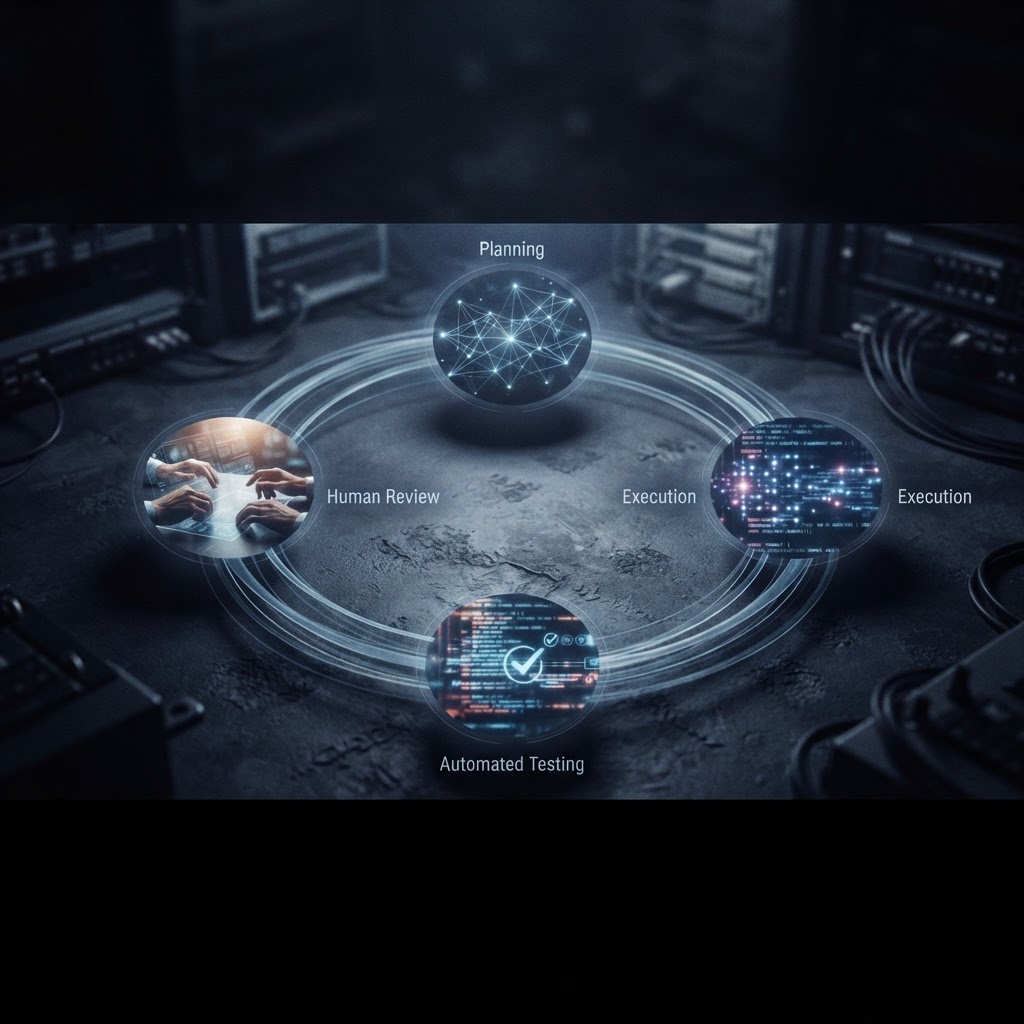
Successful implementation of AI-driven refactoring requires a structured approach to ensure safety and consistency. Start by defining the scope of the refactor and using an agent to generate a plan before any code is modified. This 'plan-first' approach allows developers to review the agent's logic and identify potential architectural conflicts before they are committed to the codebase.
Next, leverage the agent's ability to run automated tests. Modern agents can execute test suites after each refactoring step, providing immediate feedback on whether the changes have introduced regressions. This iterative validation is the cornerstone of safe, autonomous refactoring and significantly reduces the burden on human code reviewers.
Finally, establish a clear policy for agentic oversight. While these tools are highly capable, they should operate within a 'human-in-the-loop' framework for critical architectural changes. Use agents to handle the heavy lifting of repetitive, multi-file edits, while reserving human expertise for high-level design decisions and final verification of the agent's output.
AI Coding Agent Selection Matrix
- Context Window: Must support full repository indexing via RAG or vector stores.
- Execution Environment: Prefers terminal-native or sandboxed VM access for command execution.
- Dependency Awareness: Ability to map module links and track cross-file impacts.
- Validation Loop: Includes automated syntax checking or test-suite verification.
- Integration: Native support for existing IDEs (VS Code, JetBrains) or CLI workflows.