How Do AI Agents Act as Full Video Production Teams? 5 Facts
The evolution from simple text prompts to autonomous digital studios.

AI agents manage full video production by chaining specialized models together to handle scripting, voice synthesis, editing, and thumbnail design autonomously. By assigning specific roles to AI modules—like a 'Director' agent overseeing quality—these systems transform basic intent into final video assets without manual human intervention in every frame.

YouTube Automation Skills - Built for Claude AI
A Claude Skill pack that turns Claude into a full faceless-YouTube production team.
If this trivia made you curious about YouTube Automation Skills - Built for Claude AI, it is in the Nexus AI Catalog.
Get YouTube Automation Skills - Built for Claude AIThe Rise of Agentic Orchestration
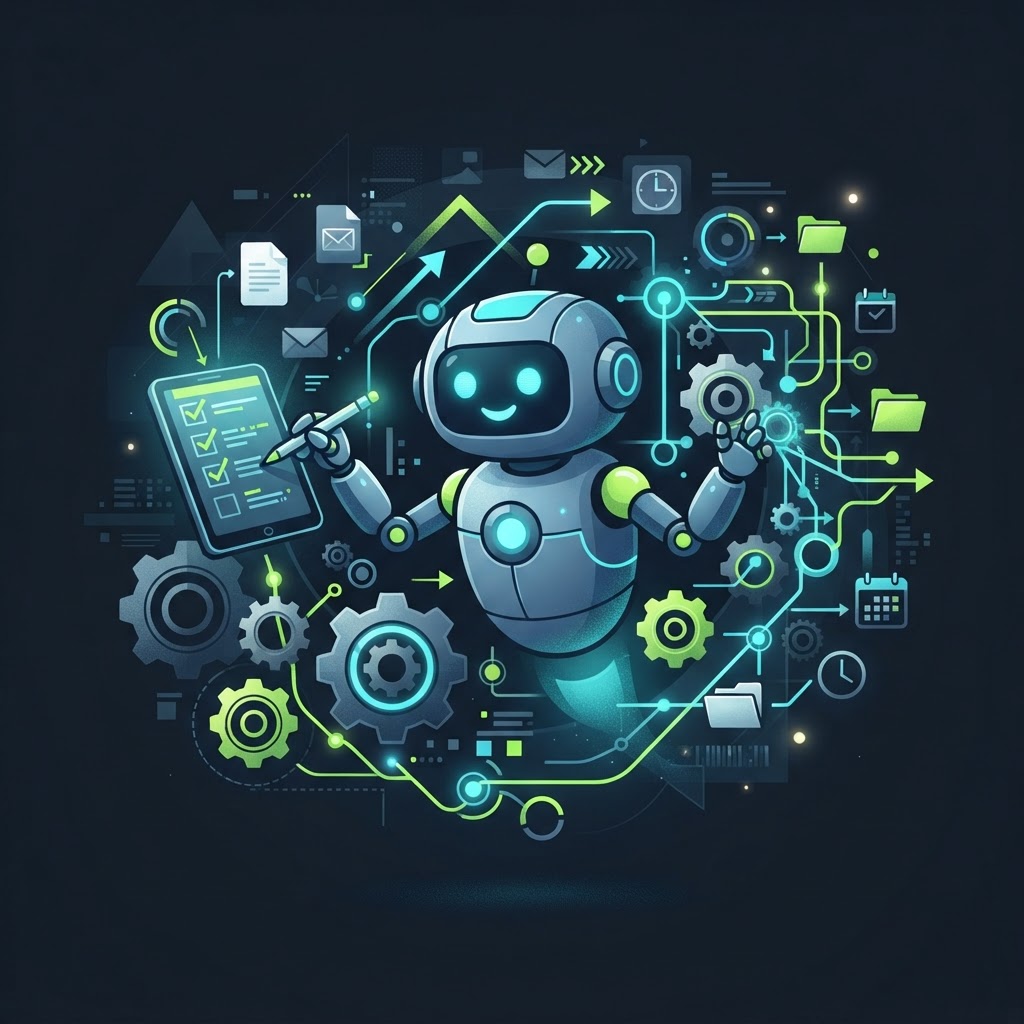
AI agents act as video production teams by coordinating a hierarchy of specialized tasks that function like a traditional film studio. Instead of a single model doing everything, an 'Orchestrator' model breaks down a request into specific goals: market research, script drafting, and visual storyboarding.
This architecture is currently being utilized by tools like the YouTube Automation Skills pack, which allows Claude to act as the central brain. By separating the roles of screenwriter, sound engineer, and editor, the system prevents the degradation of quality that happens when a single AI model tries to balance too many technical requirements simultaneously.
From Prompt to Structured Script
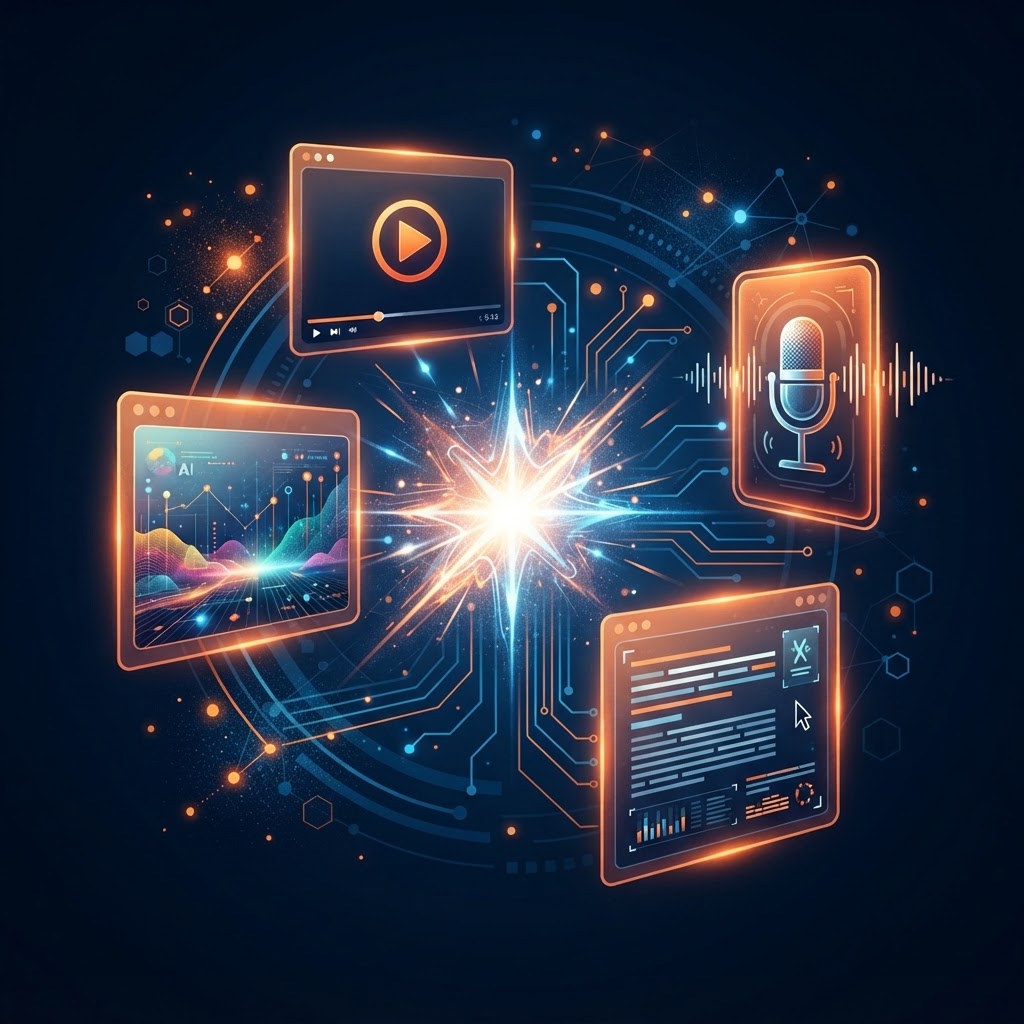
The production process begins when an agent transforms a broad topic into a high-retention video script structured specifically for modern viewing algorithms. These agents are trained on historical performance data to understand which hooks, pacing beats, and calls-to-action keep viewers engaged for longer durations.
Once the script is generated, the system creates a production manifest. This file acts as a map for subsequent agents to follow, ensuring that the tone, vocabulary, and duration remain consistent. This stage effectively replaces the long hours typically spent outlining and proofreading by automating the logic of engagement.

Automating the Edit and Visuals
Visual generation agents now maintain temporal and stylistic consistency by referencing a central visual asset library created during the pre-production phase. When the script calls for specific imagery or B-roll, the agent fetches or generates assets that match the established color grade and lighting of the project.
This eliminates the need for manual cropping or re-matching of clips, which has historically been the most labor-intensive part of video creation. By using predefined templates that the agent can manipulate dynamically, the final render feels like a human-edited piece rather than a fragmented collection of unrelated AI-generated clips.
Scaling Through Autonomous Feedback
Self-correction loops allow AI agents to review their own work against a set of quality benchmarks before finalizing the video. If an agent detects that a voiceover timing does not align with a visual transition, it autonomously triggers a re-generation of the audio segment to fix the sync issue.
This iterative process ensures that common errors in early AI videos, such as lip-sync issues or logical discontinuities, are resolved internally. For creators, this shift from 'prompt-and-hope' to 'agentic-workflow' means that the time investment shifts from technical editing to creative strategy, allowing for significantly higher output without sacrificing narrative quality.
Quick-fire facts
- Agentic video tools can reduce production time by up to 90 percent.
- The Orchestrator agent acts as the project manager for all sub-tasks.
- Consistency is maintained by referencing a unified 'style manifest' file.
- Self-correction loops identify and fix sync errors during the render stage.
- Faceless channels are increasingly using agent chains to maximize content velocity.
- Voice synthesis agents now adjust cadence based on the script's emotional cues.
2026
The year agentic workflows became the industry standard for automated content.
12
Average number of autonomous agents in a professional video production chain.
4x
Increase in average video output for creators using agent-driven tools.
In a modern AI video production chain, what is the specific role of the 'Orchestrator' agent?
Affiliate disclosure: the links on this page are affiliate links. If you buy through them we may earn a commission at no extra cost to you. It never changes what we recommend.