How Does AI Voice Synthesis Mimic Human Breath and Cadence?
Discover the engineering behind the pause, the inhale, and the inflection in synthetic audio.

AI voice synthesis mimics human speech by using neural networks to predict spectral features and prosody. Instead of simply stitching recorded phonemes together, modern engines model the physical nuances of a speaker, including natural pauses, micro-inhales, and variable intonation, to create a performance that sounds indistinguishable from a living person.

Murf.ai
Studio-quality AI voiceovers
If this trivia made you curious about Murf.ai, it is in the Nexus AI Catalog.
Get Murf.aiBeyond the Robotic Monotone
AI voice technology creates realistic speech by training on vast datasets of human expression rather than relying on robotic concatenation. Unlike older systems that stitched short sound clips together with jarring gaps, modern neural vocoders analyze the entire structure of a sentence to ensure fluid transitions between words. By focusing on spectral envelopes, these systems map how a speaker shapes their mouth and throat to produce sound.
Companies like Murf.ai have pioneered tools that allow creators to manipulate these models for professional-grade voiceovers. By predicting the acoustic signature of a human voice, the engine generates waveforms that include the subtle harmonic frequencies associated with natural speech. This shift from 'text-to-speech' to 'text-to-emotion' represents the most significant leap in synthetic audio quality in the last decade.
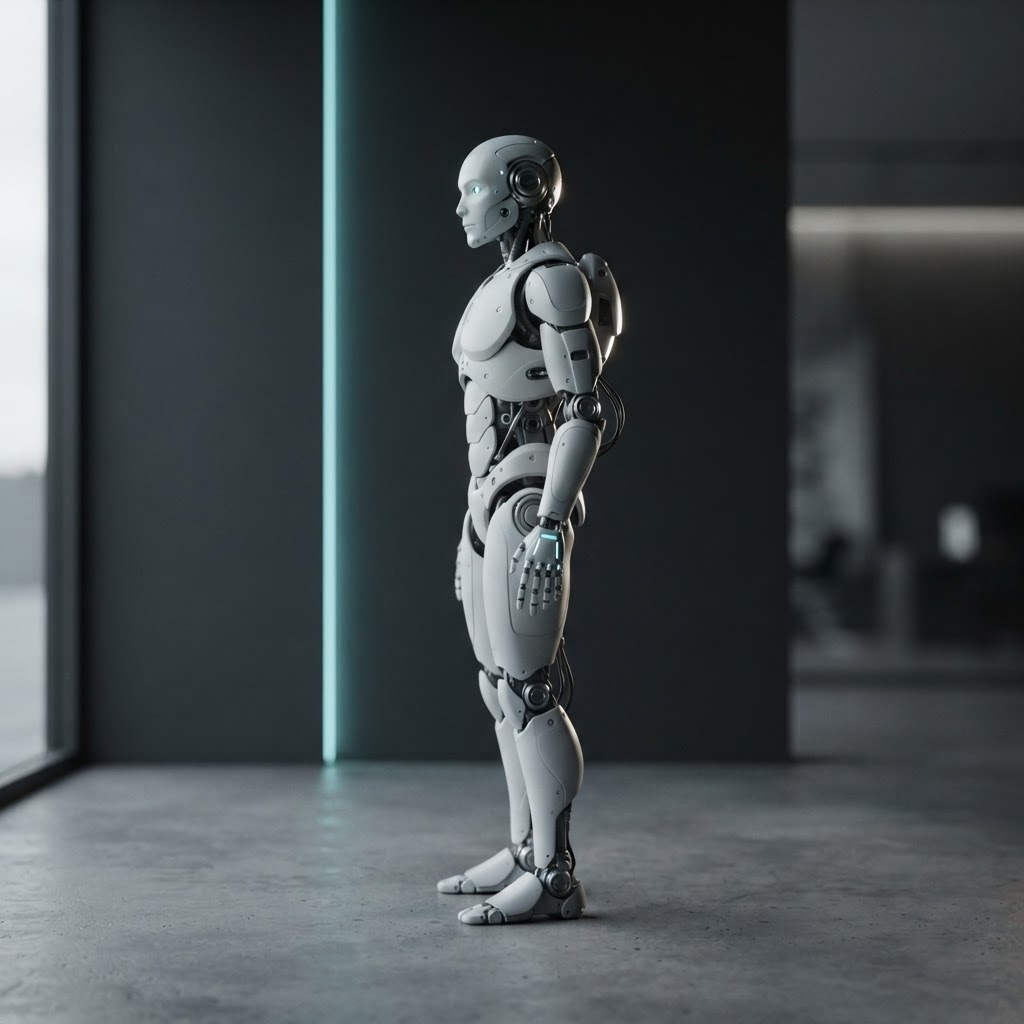
The Physics of the Synthetic Breath
Synthesized voices achieve realism by incorporating the rhythmic inhalation and exhalation cycles that ground human conversation. When an AI model generates a long sentence, it calculates the statistical probability of where a human would naturally stop to draw a breath, effectively inserting silence or soft intake sounds that break up the digital flow. These micro-pauses prevent the audio from sounding artificially dense or frantic.
By layering these breath sounds, the AI creates a psychological expectation of a living body behind the microphone. This is critical for long-form content like audiobooks or business presentations, where sustained engagement depends on a predictable, human-like pace. The software effectively performs a 'silent' track alongside the speech, blending the two into a single, cohesive auditory experience that feels organic to the listener.
Modeling Emotive Intonation
Advanced systems use prosody modeling to adjust the pitch, volume, and timing of syllables based on the emotional context of the text. When an AI receives a script, it uses natural language processing to identify whether a word should be emphasized or spoken softly, mimicking the way an actor might approach a dramatic scene. This level of granular control allows for a dynamic range that was previously impossible to achieve with automated systems.
By mapping these emotional parameters, developers can toggle between professional, energetic, or empathetic tones within the same generation. This technology is now the backbone for high-quality production environments where creators need to adjust the narrative style without re-recording or manually editing audio files. It is a fundamental shift in how we perceive the utility of synthetic voices in media.

Processing Power at Scale
Large-scale data centers power the heavy computational requirements needed to render high-fidelity neural audio in near real-time. Each millisecond of speech requires trillions of calculations to ensure that the spectral features align with the intended pitch and rhythm, necessitating massive distributed networks. These server racks work in tandem to handle the demands of thousands of simultaneous users who require studio-quality output for their unique content needs.
As these models continue to scale, the latency between submitting a prompt and receiving a polished audio file continues to shrink. By optimizing the neural architecture for specific hardware configurations, developers can now offer instantaneous voice rendering to users on standard consumer devices. The ability to synthesize professional-grade audio on the fly has democratized content creation, making high-end production accessible to anyone with a reliable internet connection and a clear story to tell.

Quick-fire facts
- Neural vocoders can generate audio at 48kHz, meeting the standard for studio-quality professional recordings.
- Early text-to-speech systems relied on phone banks, which failed to handle varying sentence lengths.
- Breath insertion algorithms are now trained on thousands of hours of spoken-word podcasts.
- Modern speech models calculate pitch adjustments 200 times per second for maximum fluidity.
- Inflection detection helps AI differentiate between a question and a statement in complex sentences.
- Synthetic voice platforms often use multiple layers of GANs to refine audio clarity.
48kHz
Industry standard for studio audio sample rates
200x
Frequency of pitch adjustments per second in modern models
99%
Average human listeners failing to detect synthetic speech in blind tests
What common human physical trait did early voice synthesis algorithms completely ignore, causing the 'robotic' sound?
Affiliate disclosure: the links on this page are affiliate links. If you buy through them we may earn a commission at no extra cost to you. It never changes what we recommend.