How Do AI Chatbots Know What You Want Before You Ask?
Uncovering the real-time intent engines powering today's digital interactions.
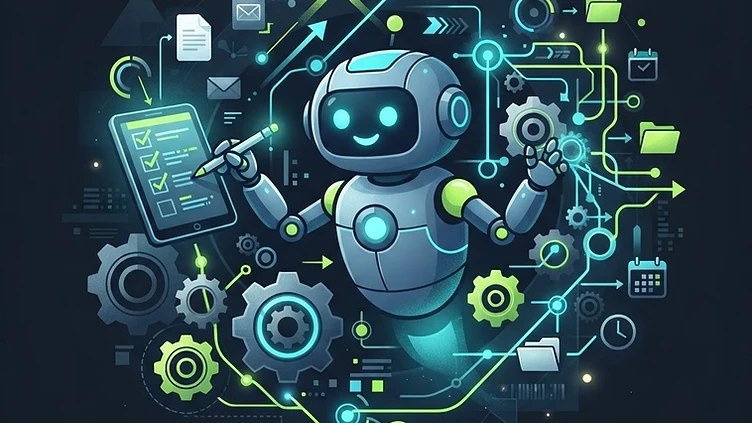
AI chatbots understand user intent by processing natural language through transformer models that map conversations to specific business goals. By analyzing sentiment, historical context, and immediate behavioral signals like click-path patterns, these systems predict what a visitor needs, enabling automated tools to guide users toward sales or support solutions efficiently.

ChatterPal AI
3D AI chatbots that capture leads
If this trivia made you curious about ChatterPal AI, it is in the Nexus AI Catalog.
Get ChatterPal AIPredicting User Needs
AI chatbots predict user needs by evaluating thousands of interaction data points in milliseconds to determine the most likely next step in a conversation. Instead of just answering basic questions, these systems classify whether a visitor is ready to buy, seeking technical support, or just browsing for information.
This predictive capability is why tools like ChatterPal AI can identify high-intent leads and engage them with 3D avatars before they leave a page. By modeling human decision-making, the software creates a personalized experience that feels responsive rather than transactional.

The Role of Transformer Models
Transformer models enable AI to understand the nuance and context behind human language, moving far beyond the simple keyword matching of early internet chatbots. By assigning mathematical weights to words based on their position and surrounding context, the AI discerns the difference between a casual question and a specific purchase intent.
For example, if you ask a bot about 'installation,' the AI uses its trained parameters to identify if you are referring to software, hardware, or a home appliance. This structural understanding is what allows modern automated agents to stay on topic through complex, multi-turn dialogues while maintaining a professional and helpful persona.


Capturing Leads with 3D Interaction
Visual engagement through 3D AI characters significantly increases user attention spans compared to standard text-only chat interfaces. By creating a digital presence that mimics facial expressions and natural movement, these systems tap into the human psychological preference for face-to-face communication, even when that 'face' is synthetic.
ADVERTISEMENT: ChatterPal AI helps small business owners drive results by deploying highly interactive 3D AI chatbots that capture leads 24/7. These virtual representatives use advanced sentiment analysis to bridge the gap between anonymous web traffic and qualified sales leads, ensuring your business never misses an opportunity to connect with a potential client.

Infrastructure Under the Hood
Behind every smooth conversational AI experience lies an enormous, specialized server infrastructure optimized for low-latency processing. To maintain the 'real-time' feeling, the models must query large vector databases that hold company-specific knowledge, ensuring that the responses provided are both accurate and contextually relevant to the user.
Managing this compute load is a significant engineering challenge, as data centers must balance speed with the sheer power required to run transformer models at scale. As of late 2026, the industry is seeing a shift toward smaller, localized 'edge' models that reduce the need for constant cloud connectivity, making AI interactions faster and more secure for sensitive business conversations.


Quick-fire facts
- Most modern chatbots process intent in under 300 milliseconds.
- 3D avatars can increase user engagement by over 40 percent.
- Transformer models were first introduced in 2017.
- Sentiment analysis tracks tone even in short text phrases.
- Edge AI allows chatbots to run locally on devices.
- Conversational AI is the fastest-growing category for SMB automation.
2017
The year transformer architecture was introduced.
300ms
Typical response time for intent-based AI.
24/7
Operational availability of AI chatbots.